

Gaping Vaginal Opening / Vaginal Laxity
Vaginal laxity refers to a “looseness”, sometimes called vaginal gaping, that occurs in the vagina. Many women find that this happens after vaginal childbirth, but it has also been associated with aging and menopause. Reports show that 75% of women experience some form of Vaginal laxity after childbirth, and 1/3 of those often feel less sensation in their vagina during intercourse. The condition is poorly recognized and frequently under-reported.
Vaginal laxity can directly affect a woman’s self-esteem and positive body image as her body has gone through a dramatic change. She often feels as though her body no longer looks or functions the same way it once did. She may avoid certain clothing items like leggings or other tight fitting clothing.
There are many reasons why this condition occurs, including the aging process. The loss of collagen fibers makes the skin and other tissues thinner. Of course, vaginal tissues are also affected by this. Another consequence of ageing is menopause, which is a phase where oestrogen production diminishes. This hormone is related to the growth, maintenance, and repair of the vaginal tissues.
Pregnancy and childbirth can drastically change a woman's body. It does not matter if a woman has had natural labor or a cesarean section, the pressure of the pregnancy will affect the pelvic muscles and the vaginal tissues. Collagen levels can also change during pregnancy due to placental hormones, affecting all the tissues. Is important to mention that women in their first pregnancy usually recover their vaginal strength from 6 to 12 months after childbirth.
Dr. Molden and the staff at the Female Pelvic Health Center understand that vaginal laxity is a very private and sensitive condition. They will work with you to ensure you are comfortable and confident in any treatment plan they may recommend for you. Please schedule an appointment today for a private consultation.
Treatment Options





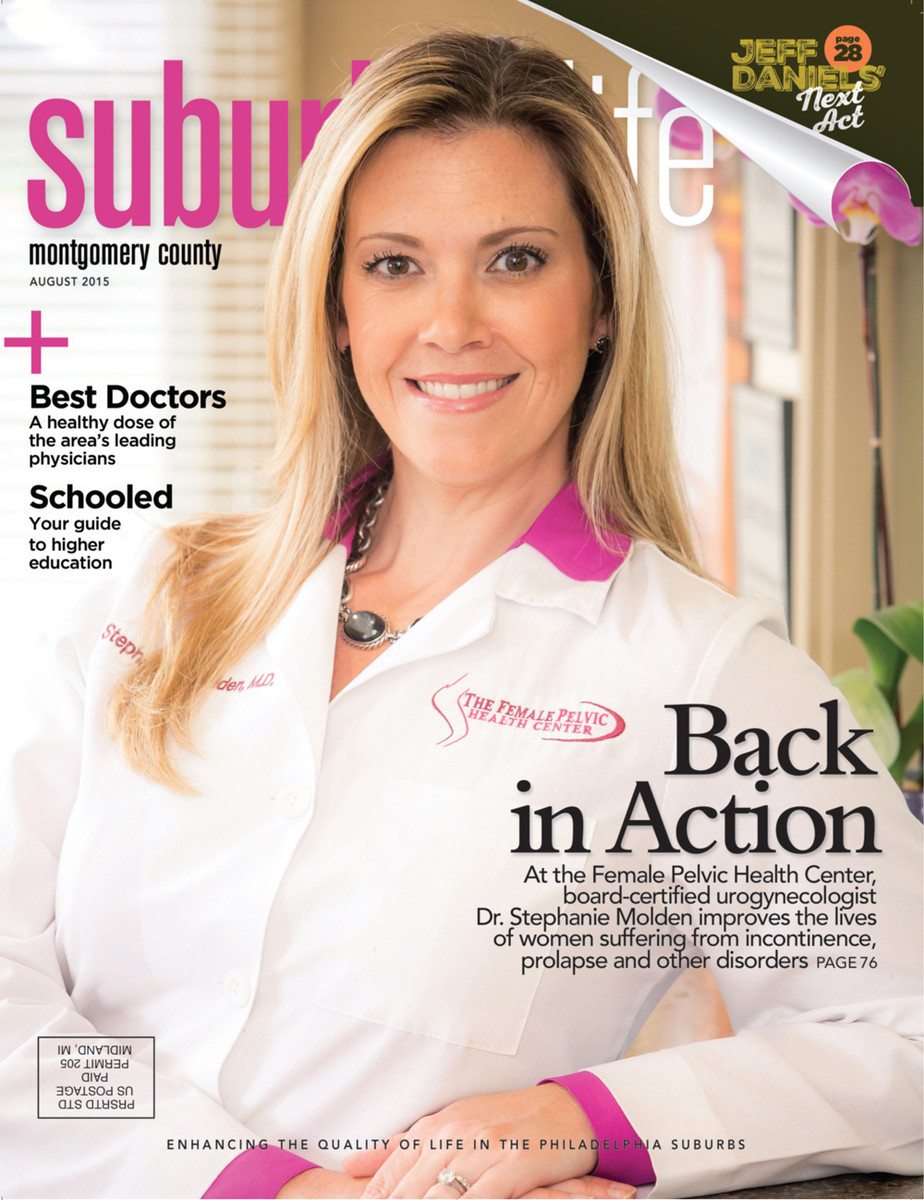
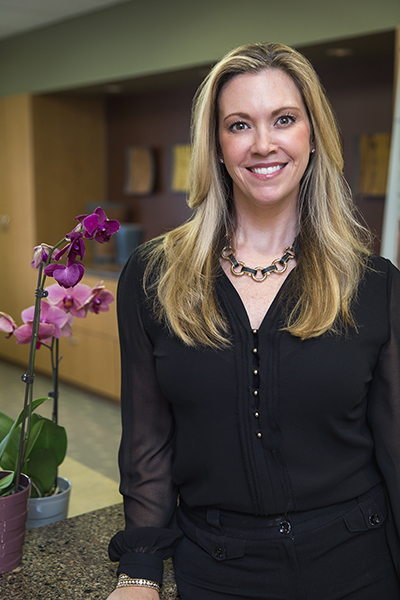 Dr. Stephanie Molden is motivated by the gratification of helping women with pelvic disorders—including pelvic organ prolapse, urinary and bladder problems—return to their normal lifestyle. She completed her training in Urogynecology with a three-year fellowship in a leading training program in the Lehigh Valley. Dr. Molden is an active member of the American Urogynecology Society (AUGS), participating in ongoing continuing education and research initiatives.